Author: eledenthospitals

  • Step By Step Guide to the Dental Implant Procedure

    Step By Step Guide to the Dental Implant Procedure

    A missing tooth never waits for the right time. One day it looks like a small gap, then chewing starts shifting to one side, food begins getting stuck, and the bite can feel slightly off. Over time, the jawbone under that gap can also  start shrinking, and nearby teeth may slowly lean into the space.

    If you are considering implants, you probably want two things: a tooth that feels stable for chewing, and a clear step-by-step plan with honest pricing. At Eledent Dental Hospitals, implant treatment is planned with scan-based diagnosis, safety-first steps, and a transparent cost breakup before the procedure begins.

    Read this blog by the experts of Eledent Dental Hospitals to understand the dental implant procedure along with a simple breakdown of the healing timeline, and what to expect at each stage for long-term stability.

    What Is A Dental Implant Procedure And Who Is A Good Candidate?

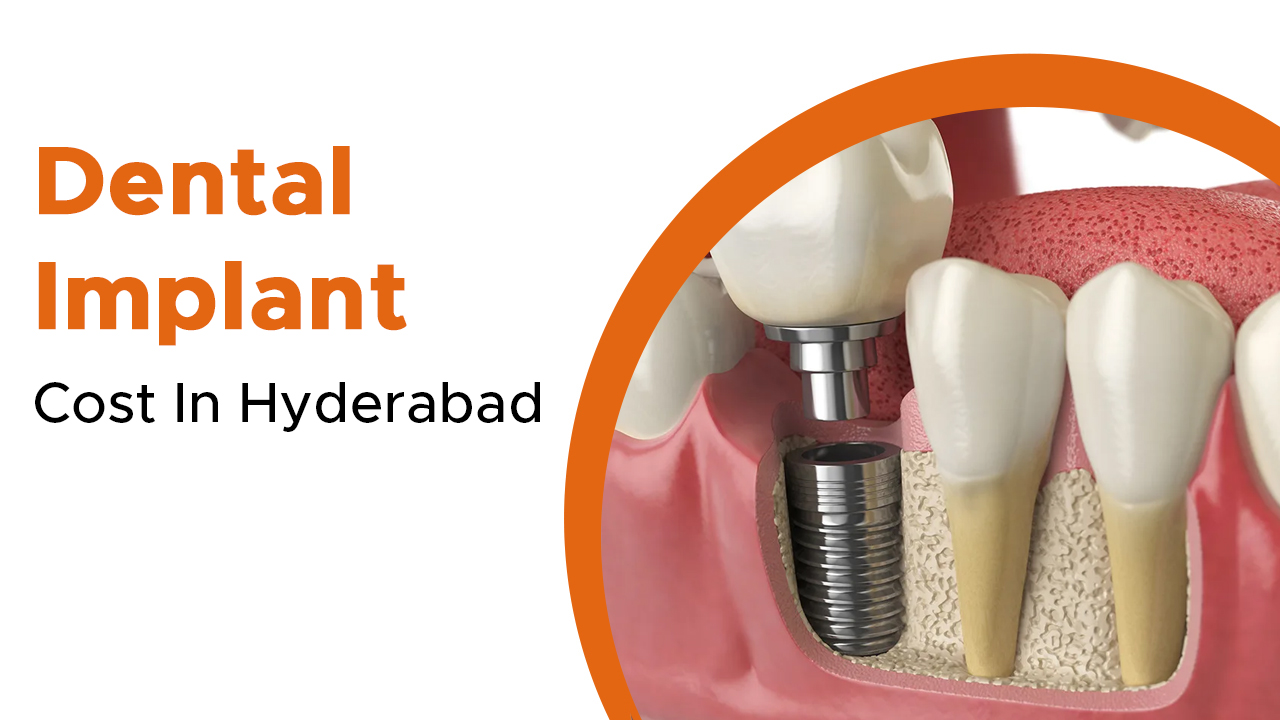
    The dental implant procedure includes replacing a missing tooth root with a titanium implant and restoring  the visible tooth with a crown.

    A good candidate for dental implants has:

    • Healthy gums
    • Adequate bone support
    • Controlled medical conditions
    • Commitment to oral hygiene and follow ups

    But even if you have bone loss or diabetes, you may still be eligible after evaluation. A consultation and digital scan help confirm the bone level, gum health, and implant needs. This is the first step of a reliable dental implant guide, because the right plan prevents avoidable complications.

    Step-by-Step Dental Implant Process

    The step-by-step dental implant process includes consultation, a 3D scan, implant placement, healing, and crown fixing. Each stage has a purpose, and the goal which is: a tooth that feels stable when you chew.

    Step 1: Consultation & Goal Planning 

    Planning matters before the actual  surgery because it decides safety, placement accuracy, and long-term stability. 

    During consultation your dentist checks following:

    • Bite alignment and chewing pattern
    • Gum health and inflammation
    • Bone level and missing-tooth site condition
    • Tooth spacing and crown design needs
    • Your goals, timeline, and comfort concerns

    This allows your dentist to decide the implant size, position, and treatment timeline. It also sets realistic expectations. 

    Step 2: Digital Scan for Proper Planning

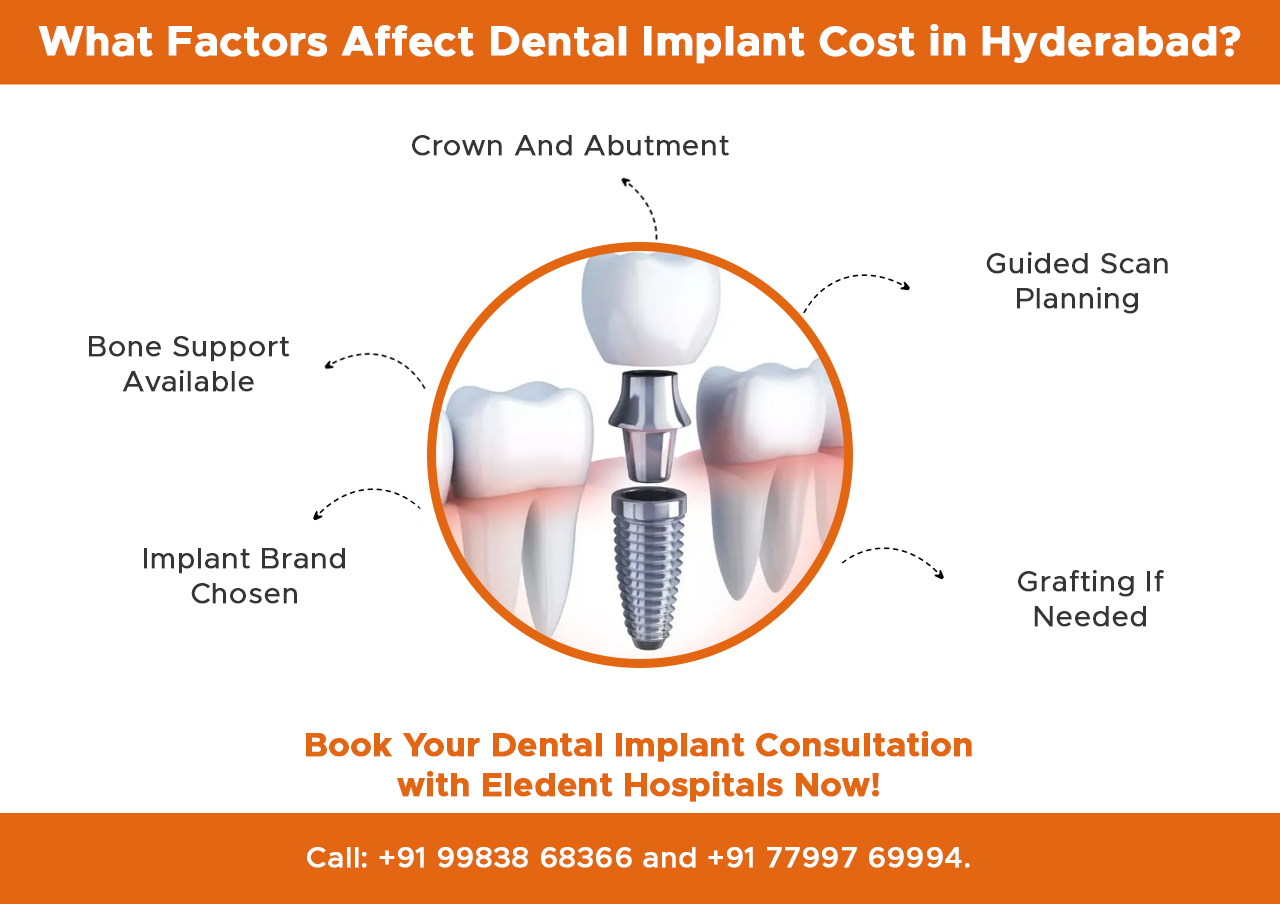
    A 3D scan shows bone thickness, nerve location, and sinus position so implant placement stays safe and predictable.

    A digital scan helps with:

    • More accurate implant placement
    • Fewer surprises during surgery
    • Better crown alignment and bite fit
    • Safer outcomes for complex cases

    This scan based approach is one reason why many patients look for the best dental implants in Hyderabad, especially when precision matters.

    Step 3: Pre-Procedure Preparation

    Preparation is done only when your case needs it, not by default.

    Pre-procedure steps may include:

    • Professional cleaning
    • Tooth extraction if a damaged tooth is still present
    • Bone grafting if bone is insufficient

    Not every patient needs extra procedures. Your scan decides the plan. This is why a structured dental implant procedure is always case-based.

    Step 4: Implant Placement 

    Implant placement is done under anesthesia, so patients feel pressure but not excess  pain. The implant is placed into the jawbone at a planned angle and depth. And a single implant placement often takes 30 to 60 minutes, depending on complexity.

    Patients exploring dental implants in Kondapur and dental implants in Kukatpally prefer clinics that follow guided planning for added accuracy. Many patients also ask for scan-based placement to reduce risk near nerves and sinuses.

    Step 5: Healing Phase (Osseointegration)

    Osseointegration or healing is the process where bone bonds with the implant and makes it stable. This healing process typically takes:

    • 6 to 12 weeks for the lower jaw
    • Slightly longer for the upper jaw in many cases

    During this phase, the implant becomes strong enough to support the final crown. This healing step is a core part of the dental implant process and should not be rushed.

    Step 6: Abutment Placement

    An abutment is the connector between the implant and the crown. Once the healing period is complete, the abutment is placed. This step is usually quick and prepares the implant to receive the final tooth.

    Step 7: Final Crown Fixing & Bite Adjustment

    The final crown is designed to match your natural tooth shape and shade, and then fitted and adjusted to your bite. Once the crown is placed and bite alignment is checked, the dental implant process comes to an end. 

    How Long Does Dental Implant Recovery Take?

    Most patients return to routine activities within 24 to 48 hours after implant placement. During the dental implant recovery, it is normal to have:

    • Mild soreness for a few days
    • Light swelling for 2 to 3 days
    • Slight chewing sensitivity near the site

    Recovery feels easier when aftercare is followed. Soft food, gentle brushing, and proper rest make a real difference. A well-planned dental implant process generally leads to smoother healing. Most people feel noticeably better by day 3, but deep healing continues over the next few weeks.

    Is Dental Implant Procedure Painful?

    The dental implant procedure is performed under anesthesia, so pain during surgery is minimal. After the procedure, soreness  is manageable with prescribed medication and care. Risks usually remain low when the plan includes proper scan evaluation, correct case selection, and hygiene instructions.

    Most complications happen when:

    • Evaluation is skipped
    • Bone and gum issues are ignored
    • Aftercare is not followed

    If something feels worse even after day 3, it is best to get reviewed. 

    Where to Get Dental Implants in Hyderabad & Protect Your Bite with a Planned Roadmap?

    To protect your bite long term, choose a clinic that plans implants with scans, explains timelines clearly, and maintains pricing transparency.

    If you are comparing options for best dental implants in Hyderabad, check for:

    • Digital 3D planning and scan-based diagnosis
    • Experienced implant specialists
    • A clear step-by-step treatment roadmap
    • Transparent pricing with a written break-up
    • Post-procedure support and follow up plan

    Eledent Dental Hospitals offers implants across locations, including dental implants in Kukatpally, dental implants in Manikonda, dental implants in Banjara Hills, and dental implants in Kompally.  This makes follow ups easier during healing checks, crown fitting, and bite adjustment visits.

    Book your consultation for dental implants at Eledent Dental Hospitals now. Call us at 77996 19994 . 

  • Get Your Wisdom Tooth Removed to Prevent Tooth Loss

    Get Your Wisdom Tooth Removed to Prevent Tooth Loss

    The mild pain at the back of your jaw is easy to brush off at first. In many cases, it is an early sign of an impacted or infected wisdom tooth. If it is left untreated, it can slowly damage the molar next to it.

    If your goal is to prevent tooth loss, extraction of wisdom teeth is often the right step once impaction, infection, or decay is confirmed. A proper dental exam and an X-ray usually show what is happening and what should be done next.

    At Eledent Dental, the approach is simple: diagnose early, plan clearly, and treat safely. Our team for wisdom tooth extraction in Hyderabad, uses scan-based evaluation and a structured treatment plan so you are not guessing or delaying.

    Read this blog by the experts at Eledent Dental to understand why wisdom teeth cause damage, the main reasons removal is advised, what happens if you wait, how the procedure is done, and what recovery looks like.

    Why Is Removing a Wisdom Tooth Important to Prevent Tooth Loss?

    Removing an impacted wisdom tooth protects the nearby molar from hidden decay, repeated gum infection, and bone loss that can lead to tooth loss. The tricky part is that damage can build up even when the pain feels on and off.

    By the time swelling or any kind of severe pain appears, damage may already reach to its advance. Early action is simple: ‘protect the healthy tooth before it becomes complicated.

    6 Main Reasons to Get Your Wisdom Teeth Removed

    Dentists recommend removal when the wisdom tooth is repeatedly causing infection, damaging the second molar, or threatens gum and bone health. Below are the most common reasons to get your wisdom teeth removed:

    1. Repeated Gum Infection (Pericoronitis)

    If the gum around a partially erupted wisdom tooth keeps swelling, the infection generally returns. Food and bacteria get trapped under the gum flap, leading to pain, bad taste, and difficulty in opening the mouth. When the source of infection remains, antibiotics may only provide a temporary relief.

    2. Damage to the Nearby Tooth (Second Molar)

    An impacted wisdom tooth can also damage the tooth in front of it. Brushing alone cannot fully clean the tight contact area, allowing the decay to form unnoticed. Many patients feel surprised when an X-ray reveals a deep cavity near their second molar which didn’t cause pain. Removing this affected wisdom tooth early helps protect the second molar from turning into a bigger issue later.

    3. Bone Loss Risk

    Long-term inflammation can slowly dissolve the supporting bone near the adjacent molar. This bone loss matters because reduced support increases the chance of gum pockets, tooth sensitivity, and tooth mobility over time.

    4. Cyst Formation

    In some patients’ cases, impacted wisdom teeth develop a cyst around it. These cysts can expand and damage surrounding bone and roots. Thus, extraction of wisdom teeth early prevents avoidable bone destruction.

    5. Orthodontic Crowding or Relapse Risk

    Wisdom teeth can add pressure, especially at the back of the jaw. If one has aligners or braces, your dentist may recommend removal to protect alignment and reduce relapse risk.

    6. Severe Decay or Unrestorable Wisdom Tooth

    Sometimes a wisdom tooth has a deep decay and cannot be cleaned or filled properly, because of its position.. In such cases, removal becomes the safest option.

    What Happens if Not Opt for Extraction of Wisdom Teeth?

    Delaying the extraction of wisdom teeth can increase the chances of infection spreading and damaging the nearby molar. It can also make the process harder because roots become developed and the surrounding bones become denser.

    Is Wisdom Tooth Removal Process Painful?

    Wisdom tooth removal treatment is generally a comfortable procedure because the area is fully numbed using anesthesia. Most patients feel pressure, and not sharp pain. Remember, fear often comes from stories and not personal experience

    What is the Process for Wisdom Tooth Removal?

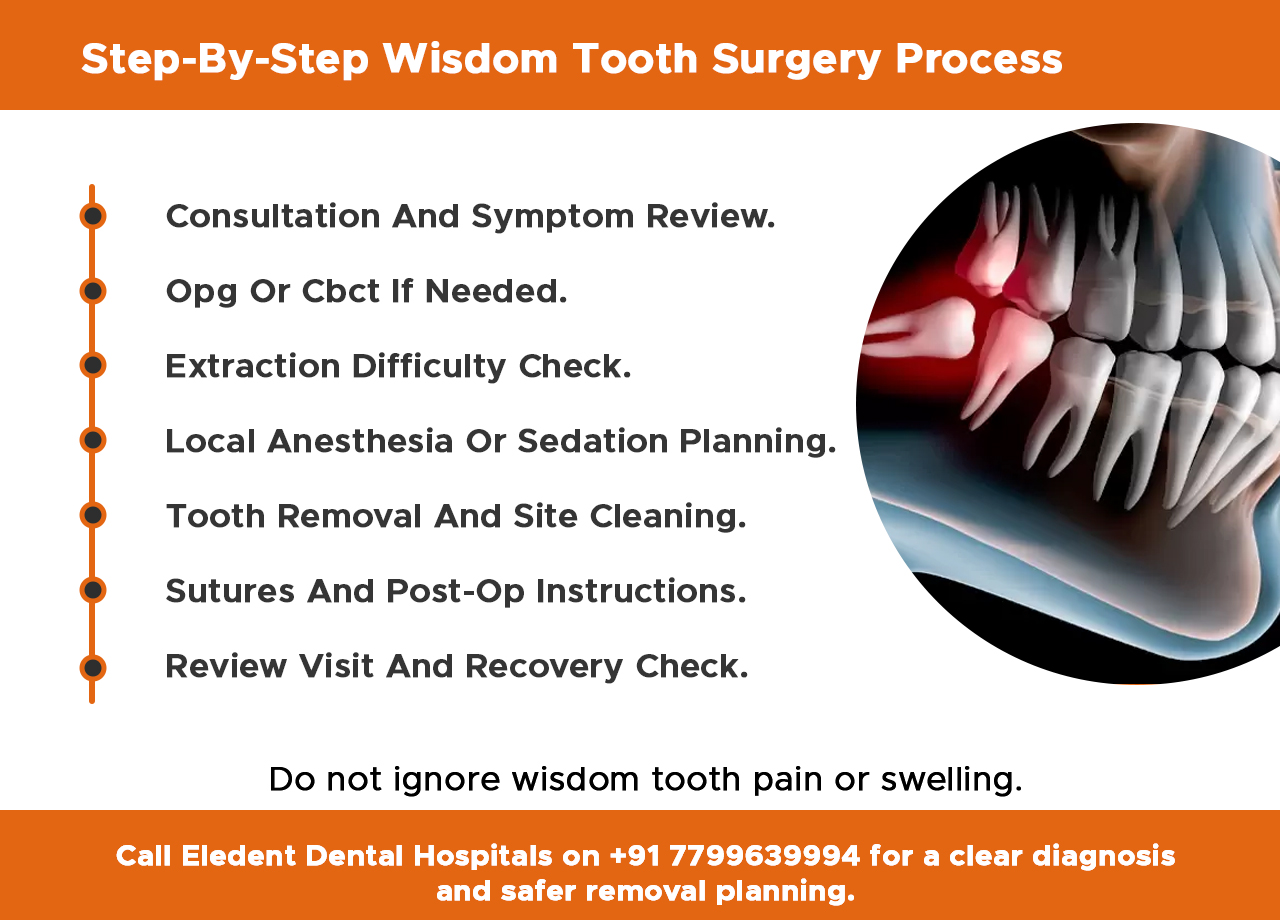
    The extraction of wisdom teeth usually follows a simple, planned sequence. The process includes examination, X-ray planning, anesthesia, removal, and aftercare. Knowing the steps helps set the right expectations and reduces anxiety.

    1. Clinical check-up and digital X-ray.
    2. Assessment of tooth position and nerve proximity.
    3. Local anesthesia for numbness.
    4. Gentle removal of the tooth.
    5. Cleaning and stitches if needed.
    6. Aftercare instructions.

    How Long Does it Take to Recover After Wisdom Tooth Removal?

    Most people feel better in 3 to 5 days, while gum healing continues over the next 1 to 2 weeks. Soft food, gentle brushing, and good rest make a measurable difference. If pain or swelling worsens after day three, get reviewed.

    If you are considering wisdom teeth removal in Banjara Hills, planning the removal earlier often means smoother recovery compared to waiting until infection becomes complex.

    Protect Your Natural Teeth Before It’s Too Late. Book Your Wisdom Tooth Removal in Hyderabad Now! 

    Your wisdom tooth should not cost you a healthy second molar. If symptoms keep coming back, do not wait for the situation to escalate.
    Early extraction of wisdom teeth helps protect bone, limits infection spread, and reduces long-term complications.

    At Eledent Dental, we focus on:

    If you are searching for wisdom tooth extraction in Hyderabad, schedule a consultation with Eledent Dental and get clarity before the damage spreads. Call +91 77996 19994.

  • A Step-by-Step Guide: How to Get Invisalign Treatment

    A Step-by-Step Guide: How to Get Invisalign Treatment

    Crooked or uneven teeth often feel like a small concern until you start avoiding smiles, feel conscious while speaking, or notice food getting stuck because teeth overlap. You want straighter teeth, but metal braces may not feel right for your lifestyle. That is why many people search how to get Invisalign.

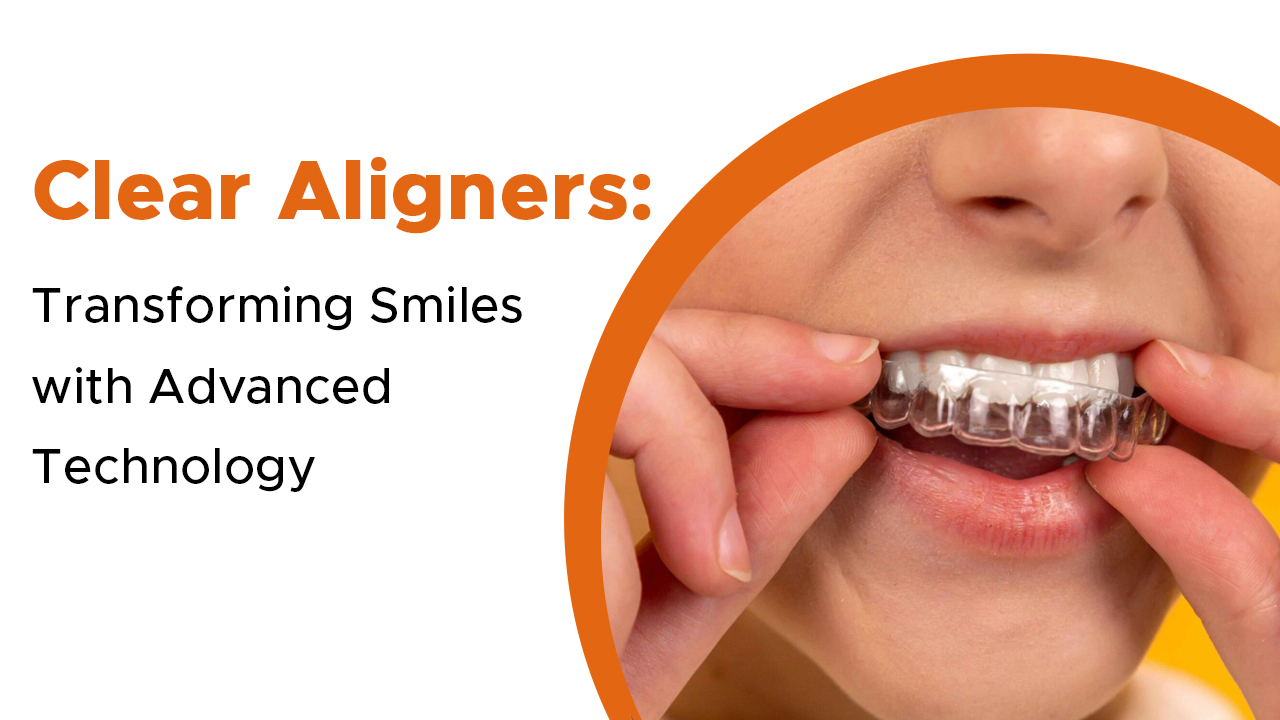
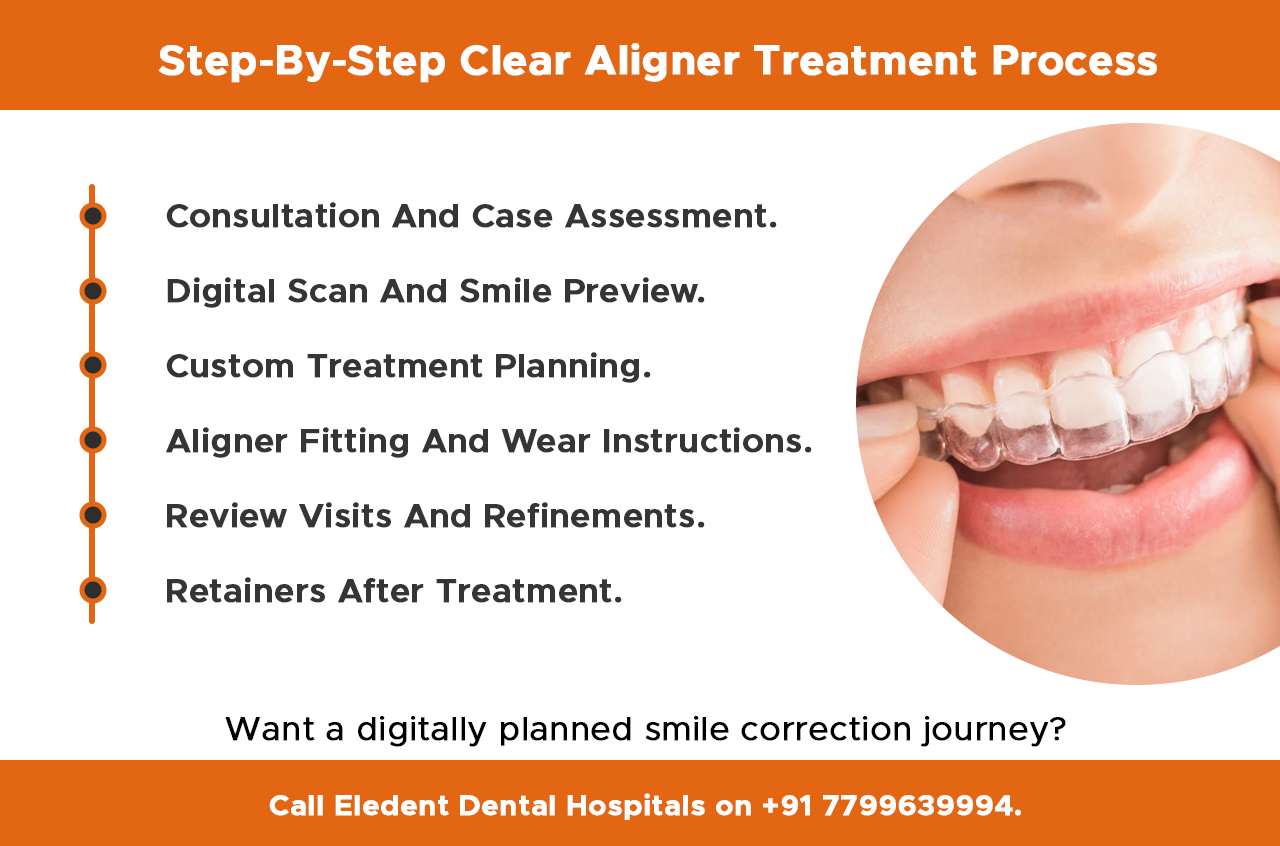
    The Invisalign treatment process is simple when it is explained clearly. It starts with a consultation and scan, moves into a personalised Invisalign treatment plan, continues with wearing clear aligners daily, and ends with retainers to maintain results. 

    At Eledent Dental Hospitals, we design Invisalign treatment plan only after checking tooth health, bite balance, and daily routine, so you know exactly what to expect before you begin. If you’re searching for invisalign near me, or for the invisalign treatment in Banjara Hills, Kukatpally, Manikonda or Kondapur, book your appointment with our expert dentists now.

    How Does The Invisalign Treatment Process Work From Start To Finish?

    The Invisalign treatment process works by gradually moving teeth using a planned series of clear aligners, supported by regular check ups and a final retainer phase.

    Step What Happens
    Step 1: Consultation Teeth, gums, and bite are checked to confirm if Invisalign is suitable.
    Step 2: Digital Scan A 3D scan captures your current tooth position for accurate planning.
    Step 3: Invisalign Treatment Plan A step-by-step plan is created to show how teeth will move over time.
    Step 4: Aligners Delivered You receive your first set of aligners and fit is checked by the dentist.
    Step 5: Daily Wear You wear aligners most of the day and remove them only for meals and cleaning.
    Step 6: Tray Changes You switch to the next aligner set based on the schedule in your plan.
    Step 7: Check Ups Progress is reviewed to confirm tracking and prevent delays.
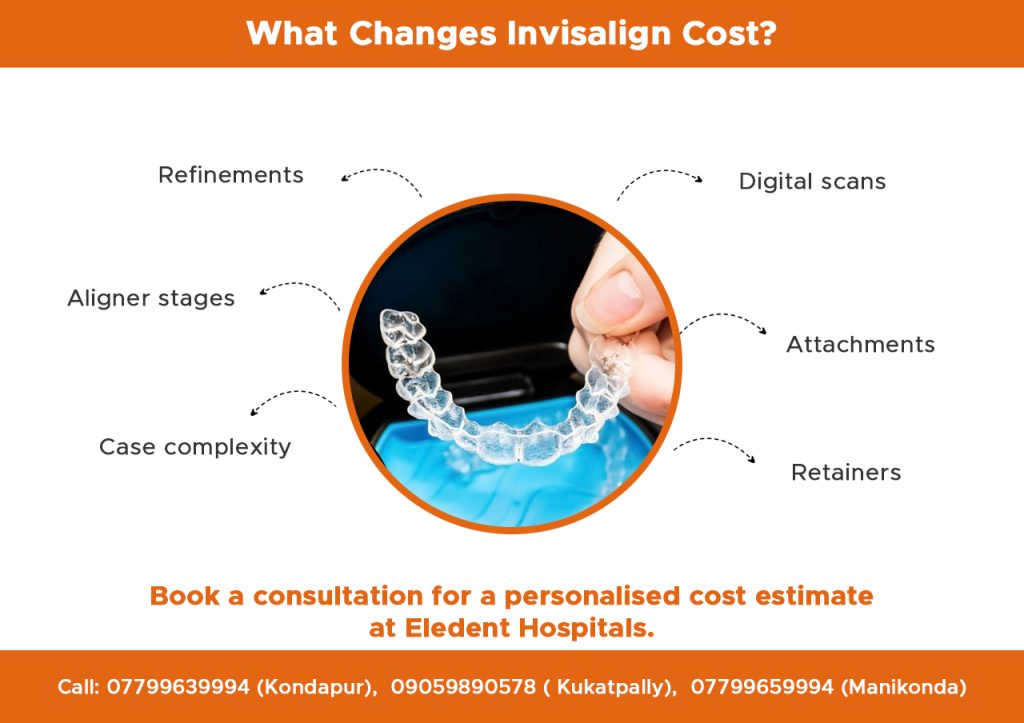
    Step 8: Refinements (If Needed) Extra aligners are added if some teeth need more movement.
    Step 9: Retainers Retainers maintain the result and prevent teeth from shifting back.


    What Are The Main Stages You Will Go Through?

    • Consultation and eligibility check
    • Digital scan and Invisalign treatment plan creation
    • First aligner fitting and guidance
    • Daily aligner wear with scheduled tray changes
    • Regular reviews to track progress
    • Refinements if needed
    • Retainers after treatment completion

    What Do You Need To Do Daily To Stay On Track?

    • Wear aligners for the recommended daily hours
    • Remove aligners only for meals and drinks other than water
    • Clean aligners and teeth after eating
    • Follow the tray change schedule given in your plan

    How Do You Know If Invisalign Is Right For Your Teeth?

    Invisalign is suitable when your teeth and gums are healthy and the alignment issue can be corrected with controlled, gradual movement.

    What Problems Can Invisalign Correct Well?

    • Mild to moderate crowding
    • Small gaps between teeth
    • Teeth that have shifted after earlier treatment
    • Minor bite issues, based on the case

    When Might Invisalign Not Be The Best Option?

    • Severe crowding needing major space creation
    • Active gum disease or untreated cavities
    • Heavy teeth grinding without protection
    • Complex bite or jaw problems

    A proper scan and bite check are the safest way to confirm Invisalign treatment in Hyderabad.

    What Happens In Your First Invisalign Consultation?

    The first consultation confirms suitability and sets realistic expectations.

    What Will The Dentist Check During This Visit?

    • Tooth and gum health
    • Current alignment and spacing
    • Bite balance and chewing pattern
    • Dental issues that need treatment first

    What Questions Should You Ask?

    • Is Invisalign suitable for my teeth?
    • How long might treatment take?
    • Will I need attachments or refinements?
    • How often are check ups needed?

    This visit removes confusion and gives clarity.

    How Is Your Invisalign Treatment Plan Created?

    Your Invisalign treatment Hyderabad plan is created using a digital scan and planned tooth movement.

    What Is Included In The Invisalign Treatment Plan?

    • A 3D scan of your teeth
    • A customised aligner sequence
    • Tray change schedule
    • Review visit plan
    • Retainer plan after completion

    How Long Does It Take To Receive Aligners?

    • The plan is reviewed and approved
    • Aligners are prepared for your case
    • You are informed of the expected start date

    A good Invisalign treatment plan should be easy to understand and predictable.

    What Happens When You Receive Your First Invisalign Aligners?

    You officially start Invisalign when the fit is checked and daily rules are explained clearly.

    How Many Hours A Day Should You Wear Invisalign?

    • Wear aligners for most of the day
    • Remove only for meals and drinks
    • Brush and place them back immediately

    What Should You Expect In The First Few Days?

    • Mild pressure when starting a new tray
    • Slight speech adjustment initially
    • Faster comfort with consistent wear

    This is normal during the Invisalign treatment process.

    Why Might You Need Attachments, Elastics, Or IPR With Invisalign?

    Some cases need extra support for accurate tooth movement.

    What Are Attachments?

    • Small tooth coloured shapes placed on teeth
    • Help aligners grip better
    • Removed after treatment

    What Are Elastics?

    • Rubber bands for bite correction
    • Used only when required

    What Is IPR?

    • A small adjustment between selected teeth
    • Creates space when needed
    • Done safely as part of the Invisalign treatment plan

    How Often Are Check Ups Needed During Invisalign Treatment?

    Check ups ensure teeth are moving as planned.

    What Happens During A Check Up?

    • Fit and tracking check
    • Progress review
    • Guidance for next trays
    • Adjustments if required

    What If An Aligner Does Not Fit Properly?

    • Confirm full daily wear
    • Use chewies if advised
    • Contact the clinic if the issue continues

    Regular follow ups keep Invisalign treatment in Hyderabad on schedule.

    What Happens If Invisalign Is Not Tracking As Planned?

    Tracking issues can be corrected with timely action.

    What Causes Tracking Issues?

    • Reduced wear time
    • Skipping aligners
    • Poor seating
    • Missed reviews

    What Are Refinements?

    • Additional aligners to fine tune results
    • Used when minor corrections are needed
    • A normal part of the Invisalign treatment process

    What Should You Eat, Avoid, And Do Daily With Invisalign?

    Daily habits play a big role in success.

    What Can You Eat And Drink?

    • Eat normally after removing aligners
    • Drink only water with aligners in

    How Should You Clean Aligners?

    • Rinse after removal
    • Brush gently with a soft brush
    • Avoid hot water

    What Habits Should You Avoid?

    • Frequent snacking
    • Smoking with aligners
    • Leaving aligners out for long hours

    Consistency protects your Invisalign treatment plan.

    What Happens After Invisalign Treatment Is Complete?

    Retainers keep teeth in their new position.

    How Long Do You Need To Wear Retainers?

    • As advised initially
    • Later usually at night

    What Happens If You Skip Retainers?

    • Teeth can shift back
    • Results may reduce
    • Corrections may be needed again

    Book Your Invisalign Consultation in Hyderabad At Eledent Dental Hospitals!

    If you are searching Invisalign near me, we are here to guide you the right way from the very first step. At Eledent Dental Hospitals, we do not rush into aligners. We start by understanding your teeth, your bite, and your lifestyle, because that is what decides whether Invisalign will truly work for you.

    When you visit us, this is what we focus on:

    • Comprehensive Invisalign consultation: We check tooth health, gum condition, and bite balance before recommending aligners.
    • Digital scan based planning: We create a clear Invisalign treatment plan that shows step by step movement and realistic outcomes.
    • Transparent guidance: We explain attachments, elastics, refinements, and timelines in simple language, so you are never confused.
    • Tracking focused follow ups: We monitor progress closely and guide you early if refinements are needed, so treatment stays on time.
    • Experience driven care: Our orthodontic planning is backed by strong clinical expertise, helping ensure comfort, safety, and predictable results.

    For convenience, you can book with the nearest centre for:

    • Invisalign treatment in Hyderabad
    • Invisalign treatment in Kondapur
    • Invisalign treatment in Kukatpally
    • Invisalign treatment in Manikonda
    • Invisalign treatment in Banjara Hills

    If you want a clear answer on how to get Invisalign, we are here to help you start with confidence and complete treatment smoothly. Call us at +91-77996 19994 to book your Invisalign consultation at Eledent Dental Hospitals.

  • Know the Benefits of Dental Implants: Say Goodbye to Missing Teeth

    Know the Benefits of Dental Implants: Say Goodbye to Missing Teeth

    Missing a tooth may not hurt every day, but it quietly changes daily life. You may chew only on one side, avoid certain foods, or cover your smile in photos. A missing tooth can also affect nearby teeth over time. That is why people search benefits of dental implants.

    Dental implants are a fixed solution that replaces the tooth root and supports a natural looking tooth. The real benefits of dental implants include stronger chewing, better comfort, and long term support for jaw health. At Eledent Dental Hospitals, we recommend implants only after checking gum health, bone support, and bite balance, so you get a plan that fits your mouth. Keep reading to understand the dental implants purpose, the key dental implants benefits, and what to do next.

    What Are Dental Implants And What Is Their Purpose?

    Dental implants are used to replace missing teeth by placing a strong support inside the jaw that holds a fixed tooth replacement in place.

    Why Were Dental Implants Created?

    • To replace missing teeth without relying on neighbouring teeth
    • To give a fixed option that feels closer to natural teeth
    • To support chewing and comfort when a tooth is lost

    This dental implants purpose is simple. It is meant to replace a missing tooth in a stable way that supports normal daily function.

    How Are Implants Different From Dentures And Bridges?

    • Implants are fixed and supported by the jaw.
    • Dentures are removable and may slip during eating or speaking.
    • Bridges are supported by nearby teeth, which may need trimming.

    What Problems Do Missing Teeth Cause If Left Untreated?

    Missing teeth can affect chewing, jaw support, facial structure, and the position of nearby teeth over time.

    How Can Missing Teeth Affect Chewing And Daily Eating?

    • Food may get stuck in the gap.
    • Chewing can become uneven, which can strain one side.
    • Hard foods may feel difficult or uncomfortable.

    Why Does Jaw Bone Change After Tooth Loss?

    • The jaw gets less stimulation when a tooth root is missing.
    • Bone support can reduce in that area over time.
    • This can affect stability in the nearby teeth and bite.

    How Can A Gap Affect Nearby Teeth?

    • Adjacent teeth may tilt into the gap.
    • Opposing teeth may move due to lack of contact.
    • Cleaning becomes harder, increasing decay and gum risk.

    What Are The Key Benefits Of Dental Implants?

    The benefits of dental implants include comfort, strong chewing, better appearance, and long term stability because implants replace the missing tooth in a fixed way.

    What Are The Most Important Dental Implants Benefits?

    • Natural look that blends with your smile
    • Strong chewing comfort for everyday foods
    • Stable fit that does not slip like removable options
    • Jaw support that helps maintain the missing tooth area
    • Easy routine care similar to natural teeth
    • Tooth protection because nearby teeth are not cut for support

    These dental implants benefits are the reason many people choose implants when they want a solution that feels close to natural.

    How Do Dental Implants Improve Daily Life?

    Dental implants improve daily life by making eating, speaking, and smiling feel normal again.

    What Changes Do People Notice After Implants?

    • Eating feels easier because the tooth is stable.
    • Speaking feels more confident without fear of movement.
    • Smiling feels more natural because the gap is covered.
    • Social comfort improves because the solution is fixed.

    For many people, the biggest benefits of dental implants are comfort and confidence in everyday life.

    Who Is A Good Candidate For Dental Implants?

    Dental implants are suitable for people with missing teeth who have healthy gums and enough bone support, or who can build support if needed.

    When Are Implants Usually A Good Fit?

    • One missing tooth
    • Multiple missing teeth
    • Loose dentures needing better support
    • A bridge that is failing or uncomfortable

    When Might You Need Treatment First?

    • Gum infection that needs control
    • Cavities that need treatment
    • Low bone support that needs a planned approach
    • Teeth grinding that may need protection

    A consultation is the safest way to confirm dental implants purpose and decide if implants match your mouth condition.

    How Long Do Dental Implants Last And Why Are They Considered A Long Term Solution?

    Dental implants are considered long term because they are designed to stay stable in the jaw and support a fixed tooth replacement.

    What Helps Implants Last Longer?

    • Brushing and flossing daily
    • Regular dental check ups
    • Avoiding tobacco habits
    • Managing teeth grinding if present

    Implants can last for many years with good care. Long term value is one of the benefits of types dental implants.

    Are Dental Implants Better Than Dentures Or Bridges?

    Dental implants are often preferred when you want a fixed solution with better stability and comfort, but the best choice depends on your mouth and budget.

    Implants Vs Dentures.

    • Implants feel more stable during chewing.
    • Dentures can move and need frequent adjustments.
    • Implants reduce daily worry about slipping.

    Implants Vs Bridges

    • Implants do not depend on trimming nearby teeth.
    • Bridges place load on supporting teeth.
    • Implants support the missing tooth area directly.

    How Dental Implants Compare With Other Tooth Replacement Options?

    This table helps you understand the dental implants purpose clearly and compare it with other common options.

    Treatment Option What It Means For You
    Dental Implants Fixed replacement that supports chewing, comfort, and jaw health
    Dentures Removable option that may move during eating or speaking
    Dental Bridges Fixed option that relies on nearby teeth for support

    Book A Dental Implant Appointment In Hyderabad At Eledent Dental Hospitals

    If you are searching for a dental implant near me, the most important step is choosing a clinic that explains suitability, safety, and long term outcomes clearly. At Eledent Dental Hospitals, we begin every implant case with a detailed evaluation of gum health, bone support, and bite balance. This ensures the plan matches your mouth condition.

    Here is what you can expect when you visit us for dental implants in Hyderabad:

    • Clear diagnosis that explains why an implant is recommended
    • Personalised planning based on bone quality and bite pressure
    • Safety focused checks for comfort and healing
    • Step clarity that explains each stage and aftercare clearly
    • Consistent follow ups that support long term stability

    You can book your visit at the nearest Eledent centre for:

    • Dental implants in Kondapur
    • Dental implants in Kukatpally
    • Dental implants in Manikonda
    • Dental implants in Banjara Hills

    If you are comparing options and looking for the best dental implants in Hyderabad, our team helps you choose based on long term function and comfort.

    Call +91-77996 19994 to book your dental implant consultation at Eledent Dental Hospitals.

  • How to Fix Teeth Gap: Expert Solutions?

    How to Fix Teeth Gap: Expert Solutions?

    A small teeth gap can look cute in photos, but for many people it becomes a daily concern. You may feel your smile looks uneven, food gets stuck in the gap, or you feel awkward while speaking. You may also worry that the gap is getting wider over time. That is why people search how to fix teeth gap.

    The right solution depends on the gap size, the reason it formed, and your bite. You can fix gaps in teeth without braces in many cases using bonding, veneers, or other planned options. For some gaps, braces or clear aligners are still the best choice. At Eledent Dental Hospitals, we check tooth health, gum health, and bite balance first, then recommend the safest and most natural looking way to fill a tooth gap.

    What Causes A Teeth Gap In The First Place?

    A teeth gap can happen due to tooth size, jaw shape, gum issues, or habits, and the cause matters because it decides the right treatment.

    Common reasons include:

    • Small teeth size compared to jaw size

    • Natural spacing that runs in families

    • Missing teeth causing shifting

    • Gum problems that reduce support

    • Tongue thrusting or pressure habits

    • Past orthodontic relapse when retainers were not worn

    When the cause is identified early, permanent teeth gap filling becomes easier and more stable.

    How To Fix Teeth Gap Without Braces In A Simple Way?

    You can fix gaps in teeth without braces when the gap is small to moderate and your bite allows a cosmetic solution.

    The most common non brace options are:

    • Tooth bonding to close small gaps quickly

    • Veneers to reshape teeth and close visible gaps

    • Crowns in cases where a tooth needs full coverage

    • Gum treatment first if the gap is linked to gum support loss

    If you want to fix gaps in teeth without braces, the best first step is a smile evaluation to confirm what will look natural and last.

    What Are The Best Ways To Fill A Tooth Gap Based On Gap Size?

    The best way to fill a tooth gap depends on whether the gap is tiny, moderate, or linked to a missing tooth.

    What Works For Small Teeth Gaps?

    Small gaps are often treated with bonding or veneers.

    • Bonding can close gaps quickly and blend with tooth colour

    • Veneers can close gaps while improving shape and smile symmetry

    What Works For Medium Teeth Gaps?

    Medium gaps may need stronger cosmetic correction or alignment support.

    • Veneers can work when tooth shape needs correction

    • Aligners may be recommended if the gap is linked to bite or spacing pattern

    What Works When A Gap Exists Due To A Missing Tooth?

    A missing tooth gap usually needs replacement, not just cosmetic closure.

    • Implants or bridges may be discussed depending on the case

    • Closing a missing tooth gap without replacement can strain bite balance in many cases

    This approach ensures fill a tooth gap treatment is not only cosmetic, but also safe for chewing.

    What Is Permanent Teeth Gap Filling And Which Options Last Longer?

    Permanent teeth gap filling means choosing an option that stays stable, looks natural, and matches your bite for long term comfort.

    Options that are commonly considered more long lasting include:

    • Veneers when planned correctly for tooth shape and bite

    • Crowns when the tooth needs full strength and coverage

    • Aligners or braces when the gap is caused by tooth position

    • Tooth replacement options when a tooth is missing

    Bonding can also last well in small gaps, but it may need maintenance depending on bite pressure and habits. Permanent teeth gap filling should always match your bite, because a good looking fix that disturbs bite can cause future issues.

    How Does A Dentist Decide The Right Teeth Gap Treatment For You?

    A dentist decides the best option by checking the gap reason, tooth health, gum health, and how your teeth meet while biting.

    Key checks include:

    • Gap size and location

    • Whether the gap is stable or increasing

    • Tooth enamel strength for bonding or veneers

    • Gum support and gum line shape

    • Bite pressure on front teeth

    • Habits like nail biting or teeth grinding

    This is why a proper evaluation is important before you choose to fill a tooth gap.

    Step By Step Table: How Teeth Gap Treatment Usually Works?

    This table makes the process clear and easy to follow.

    Step What Happens
    Step 1: Smile Assessment Teeth, gums, and bite are checked to understand why the gap is present.
    Step 2: Gap Plan Selection The dentist explains options to fill a tooth gap based on size, cause, and look.
    Step 3: Trial Smile Guidance Shade, tooth shape, and expected outcome are discussed clearly before starting.
    Step 4: Treatment Execution Bonding, veneers, aligners, or other planned treatment is performed.
    Step 5: Bite Check The bite is checked so the fix feels comfortable and does not hit high.
    Step 6: Aftercare And Follow Up You get care steps and a review plan to keep results stable long term.

    This step flow supports permanent teeth gap filling because it focuses on stability, not speed.

    What Should You Avoid After Closing A Teeth Gap?

    After closing a gap, simple habits protect the result and reduce chipping or shifting.

    Avoid these:

    • Biting nails, pens, or hard objects

    • Chewing ice or very hard foods with front teeth

    • Skipping flossing around the closed gap area

    • Ignoring bite discomfort if something feels high

    If you choose to fix gaps in teeth without braces using bonding or veneers, bite protection matters even more.

    Book Teeth Gap Treatment At Eledent Dental Hospitals

    If you are looking for a safe and natural looking way to fix a teeth gap, the best next step is a proper smile evaluation. At Eledent Dental Hospitals, we do not recommend a one size solution. We check tooth health, gum support, and bite balance first, then guide you to the best option for your smile.

    You can book teeth gap treatment at the nearest centre for:

    If your goal is to fill a tooth gap with a natural finish, we help you choose the right path, whether that is bonding, veneers, aligners, or a longer term plan. We also explain what permanent teeth gap filling means for your specific case, so you know what will last and what needs upkeep.

    Call +91-77996 19994 to book your teeth gap consultation at Eledent Dental Hospitals.

  • What Are Dental Veneers and How Do They Work?

    What Are Dental Veneers and How Do They Work?

    A smile concern rarely feels urgent, but it stays on your mind. You may notice stains that do not go away, a chipped edge, or small gaps on your front teeth. Then you start thinking twice before photos, meetings, or even smiling freely. That is why you searched what dental veneers are and how they work.

    Dental veneers are thin, tooth coloured covers that improve the front surface of teeth. They help fix colour, shape, and small cosmetic gaps in a planned way. The dental veneers procedure is done after checking tooth health, gum health, and how your teeth meet.

    At Eledent Dental Hospitals, veneers are recommended only when your teeth and bite are suitable. This guide explains the basics clearly and helps you decide the next step.

    What Are Dental Veneers?

    Dental veneers are thin, tooth coloured shells placed on the front surface of teeth to improve how they look.

    Veneers can help with:

    • Discoloured teeth that do not respond well to whitening, 
    • Chipped or worn front edges, 
    • Small gaps between front teeth, 
    • Uneven tooth shape or size, 
    • Minor cosmetic alignment concerns. 

    Veneers are not a treatment for cavities or gum infection. If there is decay or gum swelling, that must be treated first.

    How Do Dental Veneers Work On Your Teeth?

    Dental veneers work by covering the visible front part of a tooth, so the tooth looks brighter, more even, and better shaped.

    How Are Veneers Fixed On The Tooth?

    • The dentist checks enamel strength and bite.
    • The tooth surface is prepared only if needed.
    • A veneer is shaped to match your smile.
    • A bonding layer is used to hold it firmly in place.

    How Do Veneers Change The Smile Without Braces?

    • They cover stains and patchy colour on the front surface.
    • They correct small chips and uneven edges.
    • They close small gaps by improving tooth shape.
    • They create a smoother smile line across front teeth.

    What Are The Dental Veneers Benefits?

    Dental veneers benefits are mainly about confidence, appearance, and a cleaner smile without a long waiting period.

    What Are The Practical Advantages Of Veneers?

    • Brighter looking front teeth
    • Better shape and symmetry
    • Quick cosmetic improvement
    • Natural looking smile finish
    • Simple daily maintenance

    What Should You Know Before Choosing Veneers?

    • Veneers are best for healthy teeth and gums.
    • They do not fix major bite problems.
    • Teeth grinding may require a night guard.
    • Good planning matters more than speed.

    These advantages of veneers are strongest when the case is selected carefully and the bite is checked properly.

    What Types Of Veneers Can You Choose From?

    The most common options are porcelain veneers and composite veneers.

    How Are Porcelain And Composite Veneers Different?

    • Porcelain veneers are made in a lab and designed for long term appearance and stain resistance.
    • Composite veneers are shaped on the tooth and can be completed faster in many cases.

    Which Veneer Option Is Better For You?

    • Porcelain is usually preferred when you want a more durable finish and a highly polished look.
    • Composite may suit smaller cosmetic fixes when you want a quicker option.

    Your dentist will suggest the right type based on your tooth condition, smile goal, and budget.

    What Is The Dental Veneers Procedure Step By Step?

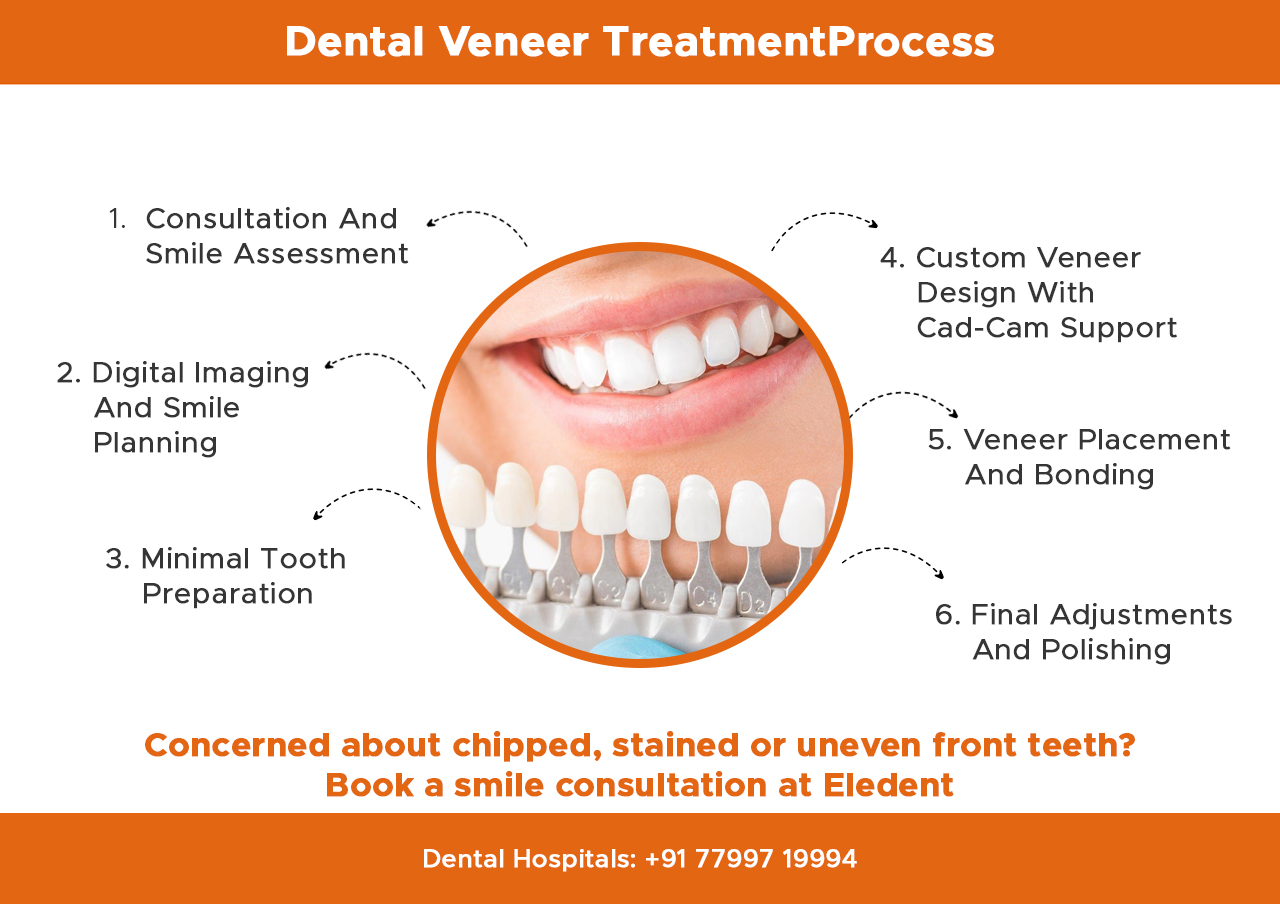
    The dental veneers procedure follows a planned sequence so results look natural and feel comfortable.

    What Happens In The First Consultation?

    • Your teeth and gums are examined for health and stability.
    • Your bite is checked to see how your teeth meet.
    • Your smile goals are discussed in simple terms.
    • A clear plan is explained before any work is started.

    What Happens On Veneer Placement Day?

    • Teeth are prepared only if required for the case.
    • Veneers are placed and adjusted for fit and comfort.
    • Shade and shape are checked in natural light.
    • Your bite is checked so the veneers feel normal while chewing.

    What Happens After Veneers Are Placed?

    • Mild sensitivity may happen for a short time.
    • You can return for a review if something feels high or sharp.
    • Routine checks help keep the finish stable.

    Who Is A Good Candidate For Veneers?

    Veneers suit people who want cosmet bni ic improvement and have healthy teeth, stable gums, and a balanced bite.

    Veneers are usually a good fit if you have:

    • Healthy front teeth with cosmetic concerns
    • Stains that do not improve with whitening
    • Small chips, gaps, or uneven edges
    • A stable bite without major jaw stress

    Veneers may not be suitable if you have:

    • Active tooth decay or gum disease
    • Severe teeth grinding without protection
    • Major alignment issues that need braces first

    A proper evaluation helps you avoid the wrong treatment.

    How Do You Care For Veneers After Treatment?

    Veneers stay in good shape when you treat them like natural teeth and avoid stress habits.

    What Helps Veneers Last Longer?

    • Brush twice daily and floss once daily
    • Avoid biting hard objects like ice
    • Do not use teeth to open packets
    • Use a night guard if advised
    • Visit for routine dental checks

    When Should You Return For A Review?

    • If you feel bite discomfort
    • If a veneer feels rough or loose
    • If sensitivity does not settle

    Book A Dental Veneers Consultation In Hyderabad At Eledent Dental Hospitals

    Choosing the right dental clinic matters as much as choosing veneers. At Eledent Dental Hospitals, veneer planning is done only after a detailed smile assessment and bite check, so the final result looks natural and feels comfortable.

    Eledent has completed 22,000+ implant cases, which reflects strong experience in bite balance and long term oral function. That experience supports safer veneer planning, because veneers must fit your bite properly to stay comfortable.

    You can visit the nearest Eledent centre for:

    • Dental veneers in Kondapur, 
    • Dental veneers in Kukatpally, 
    • Dental veneers in Manikonda, 
    • Dental veneers in Banjara Hills, 
    • Dental veneers in Kompally.

    If you are looking for dental veneers in Hyderabad, the next step is a proper smile evaluation. You will understand whether veneers are suitable, what the dental veneers procedure will look like for your case, and what care is needed after placement.

    Call +91 77996 19994 to book your dental veneers consultation.

  • Types of Dental Filling: Which One Is Right for Your Teeth?

    Types of Dental Filling: Which One Is Right for Your Teeth?

    A cavity rarely starts with sharp pain. It often begins as sensitivity to cold, a rough spot, or food getting stuck. Then the worry starts. Will it get worse, will it start hurting, and will it need a bigger treatment later? That is why you searched types of dental filling.

    The right option depends on three things: the tooth position, how deep the cavity is, and which permanent tooth filling material suits your bite. For most people, tooth coloured composite works well for visible teeth, while stronger materials are better for back teeth that handle heavy chewing. The dental fillings procedure is usually a simple same day treatment. The dentist removes decay, places the filling, then checks and polishes your bite so the tooth feels natural.

    At Eledent Dental Hospitals, the team explains the diagnosis clearly and recommends a filling based on what your tooth needs, not guesswork. If you are looking for a dental filling in Hyderabad, you can visit the nearest Eledent branch for dental filling in Kondapur, dental filling in Kukatpally, dental filling in Manikonda, or dental filling in Banjara Hills.

    What Is A Dental Filling And Why Might You Need One?

    A dental filling is a treatment that repairs a tooth with a cavity, minor crack, or worn area by sealing the damaged part after removing decay. This stops the cavity from spreading and helps you chew without pain.

    You might need a filling if you notice:

    • Sensitivity to cold, hot, or sweet foods,
    • A sharp edge or a small chipped area,
    • Food getting stuck in the same spot often,
    • Pain when chewing on one side,
    • A visible dark spot, pit, or hole on the tooth.

    A filling is usually enough when the damage is limited to the tooth structure and the nerve is not involved. If the cavity is very deep or the tooth has a major crack, your dentist may recommend a different treatment after examining the tooth and, if needed, taking an X ray.

    What Are The Most Common Types Of Dental Filling Materials Used Today?

    The most common types of dental filling materials include composite, amalgam, glass ionomer, ceramic, and gold, and each one fits a different tooth, cavity size, and budget.

    What Is A Composite Filling And When Is It A Good Choice?

    A composite filling is tooth coloured and blends with your natural enamel, so it is often chosen for front teeth and visible areas. It is also commonly used for small to medium cavities in back teeth when the bite pressure is not extreme. Composite is a good choice when you want a natural look and a same visit repair.

    What Is An Amalgam Filling And When Is It Still Used?

    An amalgam filling is a metal filling known for strength and wear resistance. Dentists may still use it for back teeth that take heavy chewing load, especially when the cavity is large and durability is the main priority. It is visible, so it is not usually preferred for front teeth.

    What Is A Glass Ionomer Filling And Who Is It Best For?

    A glass ionomer filling can release fluoride over time, which may help protect the tooth in certain cases. It is often used for areas near the gumline, small cavities, or in children’s teeth where the bite force is lower. It is usually not the first choice for large cavities on chewing surfaces.

    What Is A Ceramic Filling And When Does It Make Sense?

    A ceramic filling is tooth coloured and resists staining well, which makes it a strong option when appearance matters. Dentists may suggest it for larger cavities or for teeth that need a more durable tooth coloured repair than standard composite. Ceramic options may take more planning depending on the case.

    What Is A Gold Filling And Who Usually Chooses It?

    A gold filling is highly durable and can last many years when cared for well. It is usually chosen by people who prioritise long term wear and do not mind the visible colour. It can be more expensive and may require more than one visit, depending on how it is made.

    Which Permanent Tooth Filling Material Is Best For Front Teeth Vs Back Teeth?

    The best permanent tooth filling material depends on where the tooth sits and how much pressure it handles, because front teeth need a natural look while back teeth need strength for chewing.

    What Works Best For Front Teeth Where Looks Matter?

    • Composite is often preferred because it is tooth coloured and can be shade matched.
    • It suits small to medium cavities and visible areas.
    • Ceramic can be considered for larger repairs when you want a tooth coloured option with better stain resistance.

    Your dentist will also check how your teeth meet, because bite pressure can affect the final choice.

    What Works Best For Back Teeth Where Chewing Pressure Is High?

    Back teeth handle heavy chewing forces, so durability is the priority.

    • Amalgam is known for strength in molars and is still used in selected cases.
    • Composite can work well when the cavity is not too large and the bite can be balanced properly.
    • Ceramic options may be suggested for bigger repairs if you want a tooth coloured result with stronger wear resistance.

    Final selection should follow the cavity depth, tooth position, and bite pattern, not just preference.

    How Do Dentists Decide Which Type Of Dental Filling Is Right For You?

    Dentists choose the right filling by checking the cavity depth, tooth position, bite pressure, and what you want, so the filling feels comfortable and lasts longer.

    How Does Cavity Size And Depth Change The Choice?

    • Small, shallow cavities usually suit composite because the repair is limited and easy to shape.
    • Medium cavities may need a stronger build up, based on how much tooth is missing.
    • Deep cavities close to the nerve may need extra protection under the filling, or a different plan if the nerve is involved.
    • Very large cavities may not hold a basic filling well and can require a stronger restoration.

    How Does Tooth Location Change The Choice?

    • Front teeth often need tooth coloured materials because they are visible.
    • Back teeth need materials that can handle chewing force.
    • Gumline cavities may need a material that bonds well in that area, based on moisture control and tooth structure.

    How Do Budget, Aesthetics, And Lifespan Affect The Decision?

    • Composite is often chosen for a natural look with same visit placement.
    • Ceramic options can cost more but may resist staining better and suit larger repairs.
    • Some durable options are more visible, so the trade off is strength versus appearance.

    What If You Have Allergies Or Sensitivity To Materials?

    • Tell your dentist if you have reacted to metals or dental materials in the past.
    • If you grind your teeth or have jaw tightness, share that too because it affects wear.
    • Your dentist can adjust the material choice and bite fit to reduce sensitivity and stress on the filling.

    What Is The Dental Fillings Procedure Step By Step?

    The dental fillings procedure is usually completed in one visit, where the dentist removes decay, places the selected filling material, and adjusts your bite so the tooth feels normal again.

    What Happens Before The Filling Starts?

    • The dentist checks the tooth and asks about sensitivity, pain, and food trapping.
    • An X ray may be advised if the cavity depth is not clear from the surface.
    • The tooth and gum area are numbed so you stay comfortable during treatment.

    What Happens During The Filling Appointment?

    • The decay is removed and the tooth is cleaned to prepare a strong base.
    • The dentist places the chosen filling material in layers or in a single placement, depending on the material.
    • The filling is shaped to match your natural tooth structure.
    • Your bite is checked so the filling does not feel high or cause pain while chewing.
    • The tooth is polished so it feels smooth against your tongue and neighbouring teeth.

    What Happens After The Filling Is Placed?

    • Mild sensitivity to cold or pressure can happen for a short time.
    • Avoid chewing until numbness wears off to prevent accidental cheek or tongue bites
    • If the tooth feels high, sharp, or painful when biting, a quick adjustment can fix it.

    How Long Do Different Dental Fillings Last And When Should You Replace Them?

    Dental fillings can last for years, but the exact lifespan depends on the filling material, cavity size, your bite pressure, and daily habits like brushing, flossing, and grinding.

    How Long Can You Expect A Filling To Last?

    • Composite fillings often last several years and may need earlier replacement if the cavity was large or bite force is high.
    • Amalgam fillings often last longer in back teeth because they handle chewing pressure well.
    • Glass ionomer fillings may wear faster on chewing surfaces and are usually chosen for lower stress areas.
    • Ceramic and gold restorations can last longer in many cases, especially when the fit is stable and oral care is consistent.

    What Signs Tell You A Filling Needs Replacement?

    • Pain when biting or chewing on that tooth
    • Sensitivity that does not settle after a reasonable time
    • Food getting stuck around the filled area repeatedly
    • A rough edge that feels new or sharp
    • A visible crack, dark line, or part of the filling breaking off
    • A change in bite, where the tooth feels higher than before

    If you notice any of these signs, it is better to get it checked early so the tooth does not develop deeper decay under the filling. Book your consultation with our team of expert dentists at Eledent Hospitals now for dental filling in Hyderabad.

    What Should You Avoid After A Filling And How Do You Care For It?

    After a filling, simple care in the first day and consistent daily hygiene help the tooth settle well and reduce the chance of the filling loosening or cracking.

    What Should You Do In The First 24 Hours?

    • Wait until numbness wears off before chewing to avoid biting your cheek or tongue.
    • Chew on the opposite side if the filled tooth feels tender.
    • Choose softer foods if you feel soreness while biting.
    • Drink water after meals to reduce food sticking around the filling.

    What Should You Avoid Right After A Filling?

    • Very hard foods like ice, hard candy, and hard nuts on the treated side
    • Sticky foods if the tooth feels sensitive or the filling is new
    • Very hot or very cold foods if you notice temporary sensitivity

    What Daily Habits Help A Filling Last Longer?

    • Brush twice daily with a soft brush and proper technique.
    • Floss once daily to clean the edges where new decay can start.
    • Limit frequent sugary snacks and sugary drinks between meals.
    • Use a mouthguard if you grind your teeth at night.
    • Get routine dental checks so early wear or leakage can be fixed before it becomes a bigger cavity.

    Book Your Dental Filling Appointment In Hyderabad At Eledent Dental Hospitals Now!

    If you have sensitivity, a visible cavity, or food getting stuck in one spot, it is better to fix it early before it turns into pain or a deeper infection. At Eledent Dental Hospitals, the dentist checks the cavity depth, explains the right filling option for your tooth, and completes the dental fillings procedure with a proper bite check so it feels comfortable when you chew.

    To book a dental filling in Hyderabad, call 077996 19994 and visit the nearest branch:

    • Kondapur: K1, Primo Building, 3rd Floor, Beside Chroma, Above Ratnadeep, Near Kondapur Bus Stop, Hyderabad, Telangana 500084
    • Kukatpally: 2 Opposite Holistic Hospital, MIG 161, Ground Floor, Rd No. 1, KPHB Phase 1, Kukatpally, Hyderabad, Telangana 500072
    • Banjara Hills: Raichandani Construction, Road No. 12, Sri Ram Nagar Colony, Banjara Hills, Hyderabad, Telangana 500034
    • Manikonda: 1st Floor, Sunshine Regulas Building, Manikonda Rd, Above KFC, Muppas Panchavati Colony, Hyderabad, Telangana 500089
    • Kompally: 2nd Floor, Bliss MVM Building, Suchitra Rd, Opposite Cinepolis, Suchitra, Green Park, Jeedimetla, Suchitra, Hyderabad, Telangana 500067

    You will also get clear guidance on the best permanent tooth filling material for your tooth, along with simple aftercare steps. Schedule your appointment with the best dentists in Hyderabad now.

  • Common Causes of Tooth Pain and How to Address Them!

    Common Causes of Tooth Pain and How to Address Them!

    Tooth pain can start without warning, while eating, sipping something hot or cold, or even when you are doing nothing at all. If you are searching for the causes of tooth pain, you are already doing the right thing, because tooth pain is usually a sign of an underlying issue like a cavity, gum infection, a cracked tooth, or nerve irritation. The key is to address tooth pain early, before it turns into swelling, infection, or sleep-disrupting discomfort.

    At Eledent dental Hospital, known as the best dental hospital in Hyderabad and a trusted dental clinic in Hyderabad, our dentists focus on identifying the exact cause first, then planning the right treatment for long-term relief. If you have been typing the best dentist near me or a dental clinic near me, this guide will walk you through common reasons for tooth pain, what you can do safely at home, and when you should book a visit for tooth pain treatment in Hyderabad or teeth pain treatment in Hyderabad.

    Causes of Tooth Pain

    Tooth Pain is not a condition, it is a symptom of some underlying issue which could be enamel damage, infection or gum problem. Knowing the causes of tooth pain helps you choose the right tooth pain treatment and avoid complications. Here are some of the most common causes:

    Gum Disease

    In this your gums are swollen or your gums start bleeding when you are brushing your teeth. Pain near the gum line may indicate this condition, which requires gum disease treatment to address. If you have similar gum disease, you can contact the dentist at our hospital, they will help you with the same.

    Tooth Decay and Cavities

    When you have persistent pain which does not stop. It hurts when you chew, or if you feel some sensitivity, it can be because of the tooth decay or cavity. Cavities are among the most common causes of tooth pain. When untreated, they penetrate the enamel and irritate the nerves inside your tooth, leading to sensitivity or sharp pain.

    Early diagnosis and teeth pain treatment in Hyderabad can prevent infection and save the tooth.

    Tooth Sensitivity 

    When you eat or drink something very cold or hot, it hurts. The reason behind the pain could be worn enamel or exposed roots. It usually happens :

    • Overbrushing with a hard-bristled brush
    • Acidic foods and drinks (citrus, soda) can erode enamel.
    • Aggressive teeth whitening, bleaching products, or improper at-home treatments.
      Gum recession exposes the roots.

    Our specialists offer advanced teeth pain treatment in Hyderabad, ensuring personalised care for long-term relief and prevention of future dental issues.

    Cracked Tooth

    A crack can lead to sharp pain, especially when biting down or consuming hot and cold foods. The pain may come and go. It happens because of :

    • Biting on hard objects (ice, popcorn kernels, pens)
    • Grinding or clenching (bruxism)
    • Trauma (accident, sports injury)
    • Teeth weakened by large fillings or decay.

    Prompt care from the best dentist near me helps prevent further damage or infection.

    Pulp Infection / Dental Abscess / Root Canal Issues

    Severe, constant, throbbing pain that may radiate into the jaw or ear. These symptoms could also be accompanied by swelling, sensitivity to pressure, and sometimes a foul taste.

    This is a dental emergency. If left untreated, infection can spread and cause serious complications.

    At Eledent Dental Hospital, we provide emergency dentistry to address tooth pain, drain abscesses, and perform root canal therapy when necessary. We provide the best tooth pain treatment in Hyderabad.

    What to Do If You Have a Tooth Pain? 

    • Use a soft-bristled brush and gentle technique.
    • Switch to a desensitizing toothpaste (containing potassium nitrate or strontium chloride).
    • Avoid extremely acidic or hot/cold extremes until the sensitivity improves.
    • Use a fluoride rinse or gel to help remineralize enamel.
    • Keep the affected area clean, brush gently but thoroughly.
    • Avoid sugary or sticky foods that lodge in the cavity.
    • Rinse with warm salt water.
    • Use dental wax or sugarless gum to cover sharp edges temporarily.
    • Avoid chewing on that side.

    These are some of the ways which can help you with the tooth pain. For more information about tooth pain solutions, visit Eledent Dental Hospital, the best dental clinic in Hyderabad. We provide resources and insights into various dental services offered, ensuring that you can make informed decisions about your oral health.

    When Is It Time to See a Dentist?

    Seek professional help if:

    • Pain lasts for more than 48 hours
    • You feel swelling or puss in the mouth.
    • Pain increases when you are chewing or biting your food.

    If you are searching for a reliable dental clinic near me or the best dentist near me, Eledent Dental Hospital offers diagnosis and expert care to help you regain a pain-free smile.

    Book Your Appointment at Eledent Hospital, The Best Dental Hospital in Hyderabad! 

    Lets address your tooth pain, what causes tooth pain and how you can address it with the help of an expert dentist at Eledent Dental Hospital. Early intervention is the key to preventing complications. Our team will diagnose and treat the root cause of your tooth pain.

    With advanced technology and compassionate care, we ensure every patient feels comfortable and cared for. Contact us at 77996 19994 to improve your dental health and help you get a comfortable smile again.

  • How Safe Are Dental Implants If You Have Diabetes?

    How Safe Are Dental Implants If You Have Diabetes?

    Many people with diabetes hesitate to choose dental implants because they are unsure about healing, safety, or long-term success. If you are diabetic and missing a tooth, these questions naturally come up:

    • Will my sugar levels affect the implant?
    • Is the healing slower for diabetic patients?
    • Are dental implants even safe for me?

    Need not to worry as dental implants are generally safe for diabetic patients as long as your sugar levels are under control and the treatment is planned correctly. Understanding how diabetes affect dental implant treatment helps set the right expectations and ensures that the procedure is approached safely.

    At Eledent Dental Hospitals, we handle a large number of cases for diabetic patients across Hyderabad, including those looking for dental implants in Kondapur, Manikonda, and Banjara Hills.

    If you are searching for a dental implant near me in Hyderabad and you have diabetes, this guide will help you understand how diabetes influences implant treatment and what makes the procedure safe and predictable for you.


    Are Dental Implants Safe If you Have Diabetes? 

    Dental implants can be a very safe and long-lasting option for people with diabetes, if a few important conditions are met:

    • Your blood sugar is reasonably controlled.
    • Your gums and bones are checked properly before starting.
    • Strict cleanliness and planning protocols.
    • You follow all aftercare instructions at home.

    When these points are taken seriously, dental implants for diabetic patients can have success rates close to people without diabetes.

    Does Diabetes Affect Dental Implant Treatment?

    Yes, diabetes can affect dental implant treatment, especially when sugar levels remain high for a long time. Here’s what can happen in simple terms:

    1. Slower Healing

    After an implant is placed, the bone needs time to hold it firmly. If your sugar levels are very high, your body takes longer to heal wounds. This means the implant area may also take longer to recover.

    2. Higher Chance of Infection

    Diabetes can weaken your body’s ability to fight germs. If the gums are not kept very clean after treatment, infection can develop around the implant more easily.

    3. Bone and Gum Problems

    Long-term uncontrolled diabetes can also affect the bone and gums that support your teeth and implants. If bone support is weak, we have to plan more carefully and, in some cases, suggest additional procedures.

    However, this does not mean diabetic patients cannot get implants. It simply means we must treat them with extra care.

    How Eledent Dental Hospitals Plan Dental Implants for Diabetic Patients

    At Eledent Dental Hospitals, we do not rush into implant treatment, especially when a patient has diabetes. We follow a clear and simple process:

    1. Check Sugar Levels and General Health

    We start by understanding:

    • How long you have had diabetes.
    • What medicines or insulin you take.
    • Whether you have any other health issues, like blood pressure or heart conditions.

    If needed, we may ask you to speak with your physician before starting.

    2. Detailed Mouth and Jaw Check

    Next, we:

    • Check your gums for infection.
    • Look at your remaining teeth.
    • Take a 3D scan of your jaw to measure bone height and thickness in the exact area of the missing tooth.

    This scan helps us decide:

    • Where the implant should be placed.
    • What size and type of implant is suitable.

    3. Gentle, Planned Surgery

    On the day of the implant:

    • The area is numbed so you feel no pain during the procedure.
    • The implant is placed in the bone with minimal cutting wherever possible.
    • We keep the procedure as short and gentle as we can to reduce stress on your body.

    4. Careful Crowning

    After the implant has bonded with the bone (this time may vary from person to person), we fix a crown (artificial tooth) on it. The crown is matched to your natural teeth in shape and colour so it looks and feels like a real tooth.

    This careful planning is one of the reasons many patients consider us for the best dental implants in Hyderabad.

    Tips to Improve Implant Success If You Have Diabetes

    You can play a big role in how well your implant heals. Here are practical tips:

    • Follow your diet, medicines, and exercise routine as advised by our implantologist.
    • Take your diabetes medicines on time, especially around the days of surgery.
    • Brush twice a day with a soft brush and clean gently around the implant area as guided by our dentist.
    • Avoid smoking and alcohol as it slows down healing and increases infection risk, especially in diabetic patients.
    • Visit your dentist as advised after the implant. This helps catch any problem early before it becomes serious.

    With these steps, dental implants can stay strong and useful for many years, even if you have diabetes. If you’re looking for dental implants in Manikonda, Kondapur and Banjara Hills visit our branch that is closest to your home or office.

    Book Your Diabetic Implant Consultation at Eledent Dental Hospitals

    If you have diabetes and are thinking about dental implants, we first understand your medical history, check your gums and bone support, and then plan a safe, step-by-step implant journey tailored to you.

    Why patients trust us for dental implants:

    • 27,000+ successful implant cases handled by our team.
    • 20+ years of implantology experience with simple and complex cases.
    • 4.9/5 star rating, reflecting consistent outcomes and satisfaction.
    • 10+ awards and recognitions for excellence in dental care.
    • Four locations across Hyderabad including Kondapur, Kukatpally, Manikonda and Banjara Hills – for easy access to dental care.

    If you are searching for dental implants in Banjara Hills or any other location, you can book a diabetic implant consultation at your nearest Eledent branch and start planning a stable, long-term solution for your missing teeth.

  • Benefits of Invisalign: Straighter and Healthier Teeth

    Benefits of Invisalign: Straighter and Healthier Teeth

    Over 20 million people worldwide have chosen Invisalign, and not only for appearance. Many patients begin with real concerns such as crowded teeth, food traps, bleeding gums, or bite discomfort. When teeth are misaligned, daily brushing and flossing become harder, increasing the risk of plaque buildup and gum problems.

    That is where the oral health benefits of Invisalign matter. Invisalign for straightening your teeth improves spacing, supports healthier gums, and helps the bite function correctly. Because aligners are removable, oral hygiene stays simple and effective throughout treatment.

    In Hyderabad, adults and teens prefer clear aligners that fit into work, college, weddings, and daily life. At Eledent Dental Hospitals, with 19 years of clinical experience and 9,500+ braces cases completed, Invisalign treatment is planned using digital scans and a customised orthodontic pathway. Patients can begin invisalign treatment in Hyderabad, including invisalign treatment in Kondapur, Manikonda, and Kukatpally, if searching invisalign near me.

    Read the blog below to understand how Invisalign supports long-term dental health before starting treatment.

    Top 10 Benefits of Invisalign Every Patient Should Know Before Starting Treatment

    If you want straighter teeth without disrupting work, college or daily comfort, these Invisalign benefits explain why patients prefer clear aligners over metal braces:

    1. Improve Your Overall Oral Health

    Many people don’t realise that straighter teeth = healthier teeth. Misaligned or crowded teeth make brushing and flossing difficult, which leads to issues like plaque buildup, gum disease, and tooth decay. Invisalign helps prevent these problems by naturally improving tooth spacing.

    Key oral health benefits of Invisalign:

    • Plaque reduction due to better tooth accessibility.
    • Gum disease prevention by reducing gum pockets and inflammation.
    • Lowered tooth decay risk as food no longer gets trapped.
    • Reduced chances of white spot lesions and enamel wear.
    • Better periodontal health and long-term bone support.

    Clear aligners shift your teeth gradually, improving both shape and function. And because the trays are removable, you can brush and floss normally, no metal brackets blocking the toothbrush.

    2. Makes Oral Hygiene Easier Than Braces

    One of the biggest advantages is the convenience. With traditional braces, food gets stuck, brushing is difficult, and flossing takes extra time. Invisalign uses removable aligners, which means:

    • Brushing convenience.
    • Flossing ease.
    • No food traps or stuck particles.
    • Better preventive cleaning during dental checkups.

    Patients who choose invisalign treatment in Hyderabad often say hygiene becomes simple from day one.

    3. Supports Healthier Gums and Prevents Inflammation

    Crowded teeth or gaps often lead to swollen gums, bleeding, and early signs of gingivitis. Invisalign fixes crowded teeth, gapped teeth, and misalignment, so gums sit comfortably around your teeth.

    This improves:

    • Gum seal around each tooth.
    • Blood circulation.
    • Tissue health.
    • Overall periodontal wellness

    And because the smooth trays are gentle, they prevent irritation, mouth sores, and cuts that metal wires usually cause.

    4. Bite Improvement: Better Chewing, Speech, and Daily Comfort

    Malocclusion (improper bite) is not just a cosmetic issue. It affects chewing, speech, jaw function, and even digestion.

    Invisalign helps correct:

    • Overbite
    • Underbite
    • Open bite
    • Crossbite
    • Rotated teeth
    • TMJ-related pain

    Improving your bite enhances chewing function, supports healthier digestion, reduces jaw pain, and may even decrease headaches caused by misalignment.

    Our patients frequently report easier speech clarity, smoother jaw movement, and more comfort while eating.

    5. Comfortable, Discreet, and Designed for Everyday Lifestyle

    Invisalign aligners are made with SmartTrack material, a flexible, BPA-free, medical-grade plastic that feels comfortable and adapts to your teeth.

    Lifestyle benefits include:

    • Invisible braces look natural.
    • Perfect for professionals, weddings, and presentations.
    • Removable for eating so no food restrictions.
    • Safe for sports, musical instruments, or active lifestyles.
    • Fewer emergencies, no sharp wires or broken brackets.
    • 22-hour wear fits easily into daily routine.

    For many working adults searching for invisalign near me, these lifestyle advantages are a major reason Invisalign is preferred over metal braces.

    6. Backed by Digital Technology for Precise and Predictable Results

    Invisalign is not guesswork. Every movement is digitally planned using:

    • ClinCheck software.
    • 3D treatment plan.
    • Virtual simulation.
    • Progress tracking

    You can actually see your final smile before treatment starts. Each set of custom aligners gradually shifts the teeth with controlled force. Features like attachment buttons, SmartForce technology, and chewies ensure precision and faster results.

    For patients choosing Invisalign treatment in Manikonda or visiting our clinics in Kukatpally and Kondapur, this digital planning ensures accurate tooth movement and predictable results.

    7. Comfortable Treatment Experience with Fewer Appointments

    Invisalign is designed for time efficiency. Appointments are shorter, cleaner, and less frequent because there are no wires to tighten.

    Patients benefit from:

    • Shorter visits.
    • Fewer appointments (every 6-8 weeks).
    • Smooth progress tracking.
    • Minimal adjustments needed.

    This is ideal for working professionals, parents, students, or anyone with a busy schedule.

    8. Supports Long-Term Health and Preventive Alignment

    Correcting alignment is not only cosmetic. It prevents future dental complications and supports lifelong oral wellness.

    Long-term Invisalign advantages:

    • Reduced risk of gum problems.
    • Lower chances of premature tooth wear.
    • Better bite stability.
    • Less strain on jaw muscles.
    • TMJ relief.
    • Protection from enamel damage.
    • Better mouth function with age.

    Even older adults and seniors choose Invisalign, making it ideal for adult orthodontics, teen Invisalign and retirement orthodontics. Patients opting for Invisalign treatment in Kondapur, as well as those in Manikonda, Kukatpally and Banjara Hills, value how effortless and age-friendly the experience is

    9. Boosts Confidence, Self-Esteem, and Social Comfort

    Your smile influences how you feel in photographs, work presentations, social gatherings, and life’s big milestones.

    Invisalign helps build:

    • A more aesthetic smile.
    • A natural and confident appearance.
    • Comfortable speaking and smiling.
    • Better career presence.
    • Wedding smile prep.
    • Everyday social confidence

    With transparent trays, people rarely notice you are undergoing treatment.

    10. Post-Treatment Care: Retainers and Smile Maintenance

    Once treatment is complete, retainers help maintain your smile for life. They are strong, comfortable, and custom-fit to your new alignment.

    Post-treatment routine includes:

    • Wearing retainers as advised.
    • Regular dental checkups.
    • Occasional professional cleaning.
    • Healthy brushing and flossing habits.

    Proper maintenance ensures you enjoy the benefits of your new smile permanently.

    Conclusion

    Invisalign is more than a cosmetic upgrade. It transforms your dental health, your confidence, and your daily comfort. Whether you need to fix bite issues, prevent gum problems, align crowded teeth, or simply want a discreet straightening option, Invisalign is a lifestyle-friendly solution backed by advanced technology.

    If you are searching Invisalign for Straightening Your Teeth, or looking for Invisalign near me you can experience a predictable, comfortable, and health-focused orthodontic journey at Eledent Dental Hospitals.

    Straighter teeth don’t just look better, they keep your whole mouth healthier for life. With Invisalign treatment in Kukatpally you get a solution that improves both your smile and long-term oral health.