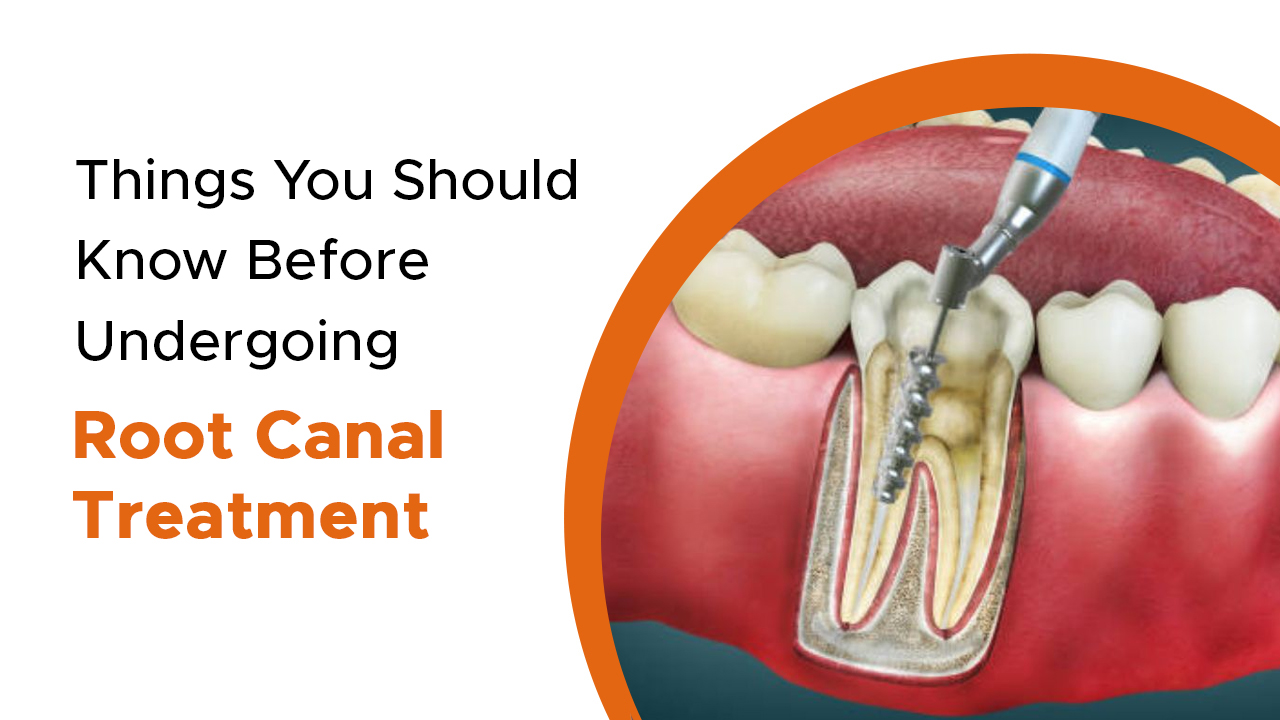
Root canal treatment removes infection from inside the tooth and protects your natural tooth from extraction. Tooth pain can disturb eating, sleep, work and even daily conversations. If your dentist has advised a root canal, you may worry about pain, multiple visits, cost or whether the tooth can still be saved.
At Eledent Dental Hospital, patients receive specialist-led care, digital 3D scans and 19+ years of dental expertise across Hyderabad. This guide is written by an expert dentist from Eledent Dental Hospital to help you prepare for your root canal treatment with clarity.
If you are considering root canal treatment in Hyderabad, this blog explains what happens before, during and after the procedure.
First, Do You Really Need a Root Canal Treatment?
A root canal is needed when infection reaches the inner pulp of the tooth and cannot heal on its own. Your dentist may suggest it when a filling can no longer protect the tooth.
Common signs you may need a root canal treatment include:
| Fear | Reality |
|---|---|
| “RCT will be painful” | Anaesthesia keeps the area numb |
| “Pain has stopped, so tooth healed” | Infection may still remain |
| “Extraction is easier” | Replacing a tooth needs more treatment |
| “I can wait for months” | Infection can spread fast |
| “Crown is optional for all teeth” | Back teeth need protection |
A root canal saves the natural tooth. Extraction removes it completely. If your dentist says the tooth cannot heal with a filling, waiting can make the tooth weaker.
What Happens If You Delay a Root Canal?
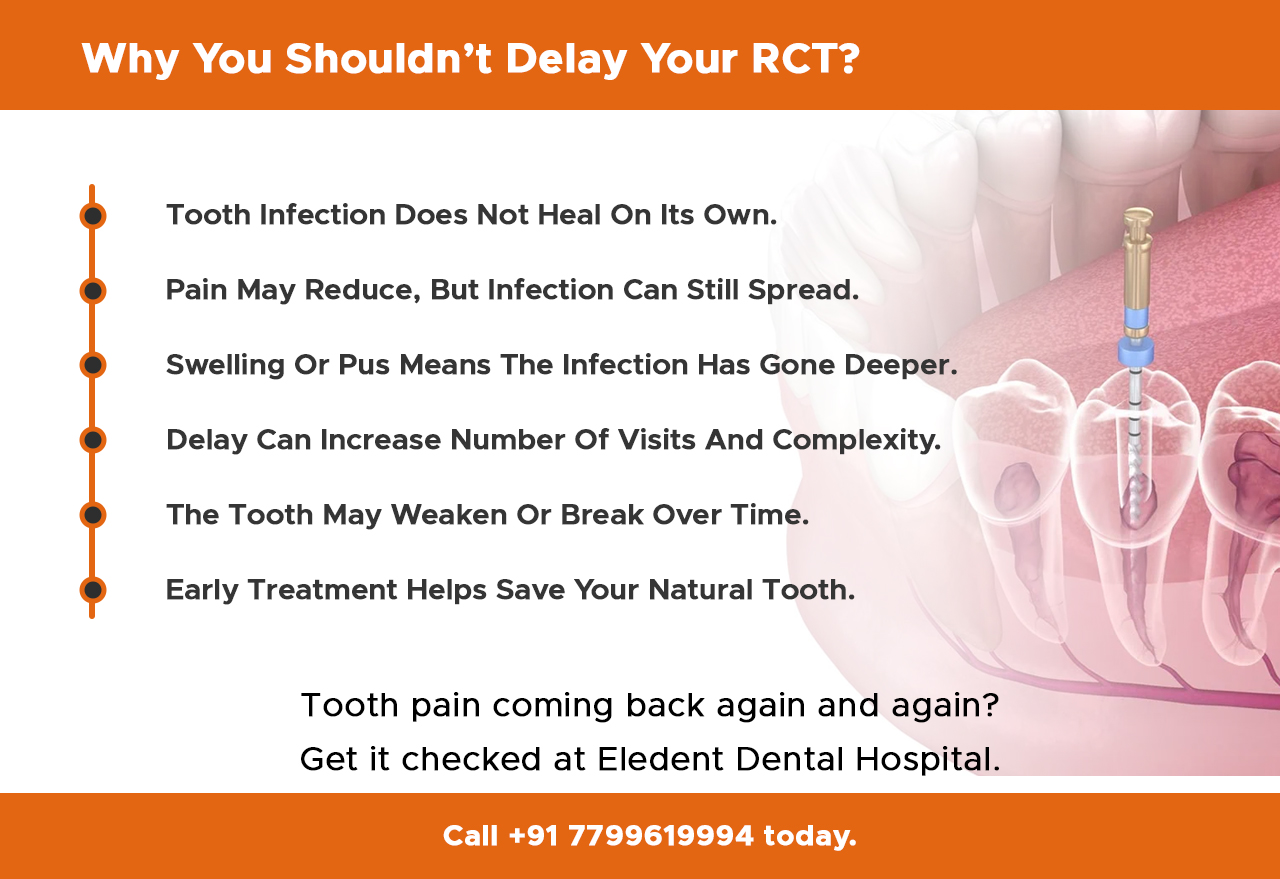
Delaying a root canal can allow infection to spread from the tooth pulp to the root and surrounding bone. This can lead to severe pain, swelling, abscess or tooth loss.
A small delay may feel harmless when pain reduces. The infection can still keep moving inside the tooth. A swollen tooth may need medication, drainage or extra cleaning before final sealing.
Patients looking for root canal treatment in Manikonda should not wait until swelling starts. Early treatment can save time, cost and tooth structure.
What Actually Happens During a Root Canal?
A root canal involves cleaning the infected pulp, disinfecting the root canals and sealing the tooth to prevent reinfection. The dentist keeps the process controlled with local anaesthesia.
Steps in Root Canal Treatment
- Diagnosis: Checks pain, X-rays, and infection depth.
- Numbing: Uses local anaesthesia for comfort.
- Access opening: Creates a small opening in the tooth.
- Cleaning: Removes infected pulp from canals.
- Disinfection: Cleans bacteria inside the root.
- Filling: Seals canals with filling material.
- Restoration: Places filling or advises crown support.
Digital scans help the dentist understand root shape, infection level, and tooth condition before treatment.
Pediatric Dentistry in Hyderabad focuses on preventive and specialized dental care for infants, children, and teenagers in a safe and child-friendly environment.
Does a Root Canal Hurt? What You Will Really Feel
Modern root canal treatment does not hurt because the dentist numbs the tooth before starting. Most patients feel pressure, vibration or mild pulling instead of pain. Here’s what you may feel:
- Small pinch during anaesthesia
- Numbness in lips or cheek
- Pressure during cleaning
- Mild soreness after treatment
- Sharp pain during the procedure only if the tooth is not fully numb, which your dentist can correct
The pain people remember comes from the infection before treatment. If you want painless root canal treatment in Hyderabad, choose a clinic that explains each step and checks your comfort before starting.
How Many Visits Does a Root Canal Take?
A root canal may take 1 to 3 visits depending on infection severity, tooth type, swelling and canal shape. Some simple cases finish in one sitting. Infected teeth may need more visits.
- Mild Infection: One visit usually sufficient.
- Deep Infection: Two visits often required.
- Swelling or Abscess: Two to three visits.
- Complex Molar Tooth: Extended chair time needed.
- Retreatment Case: Multiple visits may occur.
A front tooth takes less time. A molar tooth may need more time because it has multiple canals.
Do You Always Need a Crown After a Root Canal?
In most cases, a dental crown is recommended after root canal treatment to protect the treated tooth from fracture. This is more important for back teeth because they handle stronger chewing pressure.
| Tooth Type | Whether Crown After RCT is Needed or Not? |
|---|---|
| Front tooth with small damage | May not always need crown |
| Back tooth | It needs crown |
| Tooth with large cavity | Crown strongly advised |
| Tooth with crack lines | Crown may protect structure |
| Tooth used for heavy chewing | Crown improves durability |
Skipping a crown can lead to tooth fracture. Patients choosing root canal treatment in Kondapur should ask about crown need during the first consultation. If you are planning root canal treatment in Kukatpally, use your first visit to understand both the procedure and restoration plan.
What to Expect After a Root Canal?
After a root canal, mild sensitivity, chewing discomfort or gum tenderness can happen for a few days. These symptoms settle as the tooth and surrounding tissues heal.
- First few hours: You will feel numbness from anaesthesia.
- First day: There might be mild soreness while biting.
- 2 to 3 days: Sensitivity in your mouth starts reducing.
- 1 week: Smiling and talking feels more comfortable.
- After crown: Chewing and eating food gets easier.
Root Canal Treatment: Aftercare tips:
- Eat soft food until numbness wears off.
- Avoid hard food on the treated side.
- Take medicines only as advised.
- Brush gently around the area.
- Visit your dentist if pain increases after 3 days.
For root canal treatment in Banjara Hills, choose a clinic that explains diagnosis, procedure, crown need and follow-up clearly.
You Don’t Have to Fear a Root Canal, But You Shouldn’t Delay It
If you need root canal treatment in Kompally, act before swelling or tooth fracture begins. Early care keeps the process simpler.
| Fear | Reality |
|---|---|
| “RCT will be painful” | Anaesthesia keeps the area numb |
| “Pain has stopped, so tooth healed” | Infection may still remain |
| “Extraction is easier” | Replacing a tooth needs more treatment |
| “I can wait for months” | Infection can spread fast |
| “Crown is optional for all teeth” | Back teeth need protection |
Root canal treatment saves your natural tooth when infection reaches the inner pulp. The real risk comes from waiting too long from getting the root canal treatment.
Get Comfortable Root Canal Treatment at Eledent Dental Hospital
Experience the future of root canal treatment at Eledent Dental Hospital, an NABH-accredited hospital. Using microscopic dentistry and CEREC CAD-CAM technology, our specialists deliver painless RCT and other single-visit solutions to restore your smile perfectly. If you are searching for root canal treatment in Hyderabad, Eledent Dental Hospital helps you get clear diagnosis, painless care, crown guidance and follow-up support.
Struggling with tooth pain or repeated sensitivity? Get expert root canal treatment at Eledent Dental Hospital. Call +91 7799619994 today.
FAQs
Can a root canal fail later?
Yes, root canal failure is rare but possible. Reinfection, cracks, or missed canals can lead to problems later.
Is extraction better than a root canal?
No, saving your natural tooth is usually better. Extraction can lead to gaps and may require implants or bridges.
Can I go to work after a root canal?
Yes, most people return to work the same day. Avoid chewing hard foods until numbness and soreness reduce.
How long does a root canal treated tooth last?
A root canal treated tooth can last many years with proper care. A crown, good hygiene, and regular check-ups help longevity.
Why is my tooth still sensitive after RCT?
Mild sensitivity is normal for a few days after treatment. If pain worsens or swelling appears, contact your dentist.
Leave a Reply